
Imperfection Engages Perception
You are more responsible for your reality than you might realize

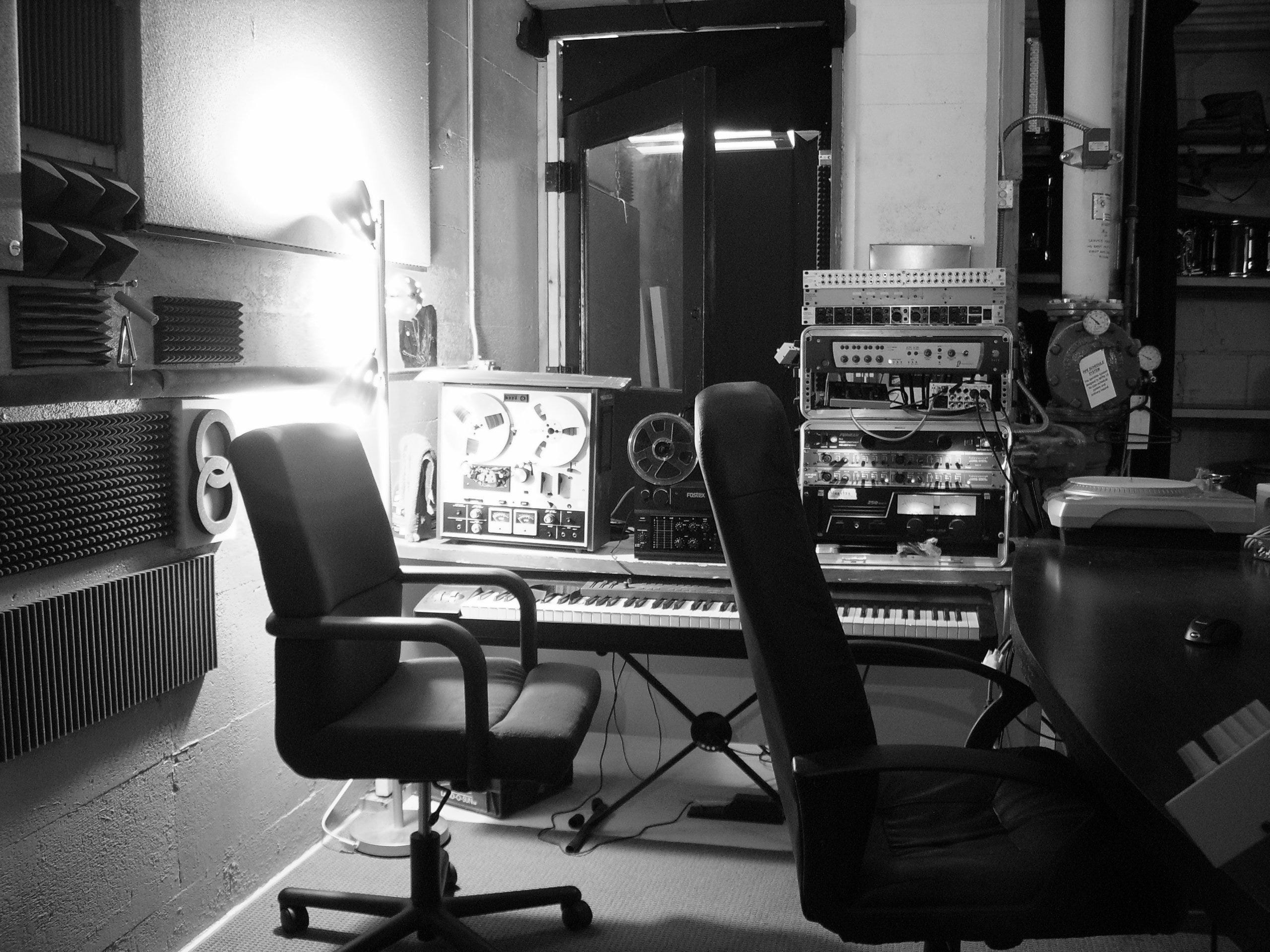
I’ll admit it: I’m a bit of a geek. I still use film for photography and enjoy learning about depth of field, light, and contrast. I like taking my time to get the perfect shot, especially since film is expensive and I have to wait a week to see if I got it right. The thought of snapping a thousand digital photos and letting a device do all the work just to find a “good one” really bothers me.
Maybe I’m a snob, but I still listen to vinyl on an old 80s stereo. I even roast my own coffee beans, make my own mead, and grow some of my own food.
I have a theory about why so many music lovers and photographers prefer analog formats like vinyl records, film photography, and live performances, even though digital technology can reproduce sound and images with far greater technical accuracy.
People often say it’s just nostalgia, but I don’t think that’s the full explanation. I believe it has more to do with how our brains experience the world.
Our brains don’t just take in information. They’re always working, making predictions and building reality from bits and pieces. Instead of just accepting what we see and hear, our brains fill in gaps, filter out noise, and try to make sense of everything.
This process helps us survive. Our brains evolved to make sense of an imperfect world, not just record a perfect one. That’s why I think “perfect media” can sometimes feel less interesting.
A CD or a high-resolution digital file provides a very stable and precise signal. Digital photos are made up of neat rows of identical pixels. This is impressive from a technical standpoint, but for our brains, there’s not much left to figure out. We just received the experience.
Analog media are different. Vinyl records have tiny variations, some distortion, surface noise, and small mechanical changes. Film photos are made from randomly scattered grains, not perfect pixels. These aren’t flaws that stop us from seeing or hearing clearly. Instead, they add a bit of uncertainty.
Our brains get more involved. They block out noise, guess what’s missing, smooth out rough spots, and build a clear experience from imperfect data. This makes us active participants, not just passive receivers. We help create the experience.
This might be why people say vinyl sounds “warmer” or film looks “more alive.” These qualities might not come just from the medium itself. They could come from how our brains work with the medium. In other words, beauty isn’t always handed to us. Sometimes, we help finish it.
This idea goes beyond music and photography. Live performances are rarely perfect, but people often find them more moving than studio recordings. A charcoal sketch can stir more emotion than a flawless photo. A singer whose voice cracks with feeling might touch us more than someone who sings perfectly. In each case, the work lets us join in.
Of course, there’s a limit. Too much imperfection just becomes noise, and our brains can’t make sense of it. Too little, and we stop being involved. The best experiences are somewhere in the middle, where our brains are challenged just enough to join in. Maybe that’s why analog media still matter, even as digital technology keeps advancing.
Digital media aim for perfect copies. Analog media invite us to experience things perfectly in our own way. It’s a subtle but important difference. One just wants us to receive. The other wants us to help create the experience. Maybe that’s what makes imperfection so appealing.
So what does this mean for Thelema? Just be yourself, imperfections included. If you live as your true self, others will notice the unique beauty you bring to the world. Trust the world to make beauty from your imperfections.